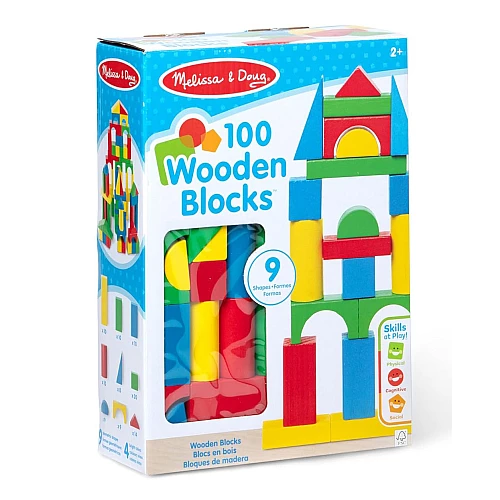
Melissa & Doug Wooden Building Blocks Set
Building blocks can support shared stacking and knocking-down play at a birthday visit. Check this particular set’s age guidance with the parents.
View at amazon.com →
At a first birthday, interests and abilities vary widely. Ask the parents what the child currently enjoys exploring, then check each toy’s age guidance rather than assuming every item suits every one-year-old.
Use the complete collection or choose the pieces that fit best.
Building blocks can support shared stacking and knocking-down play at a birthday visit. Check this particular set’s age guidance with the parents.
View at amazon.com →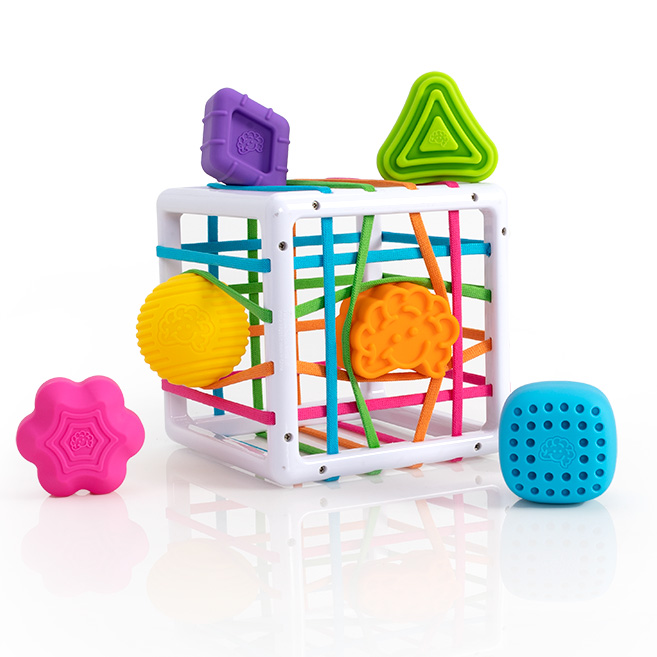
InnyBin is a shape-exploration option to discuss with parents who know what the child currently likes handling. Confirm the recommended age.
View at fatbraintoys.com →
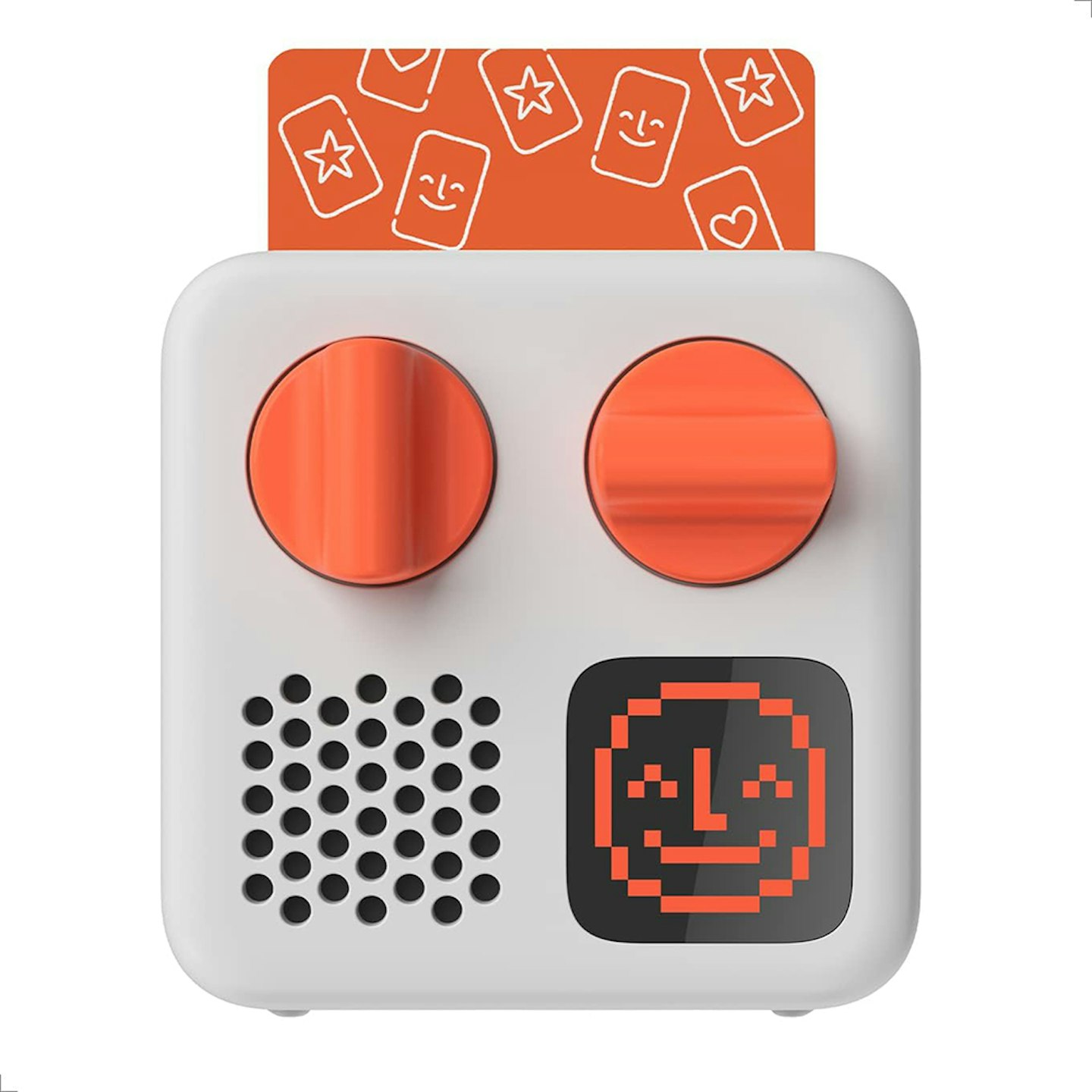
A musical cube suits a family who welcomes sound-based play. Ask about their preferences before making a noisy toy the birthday surprise.
View at amazon.com →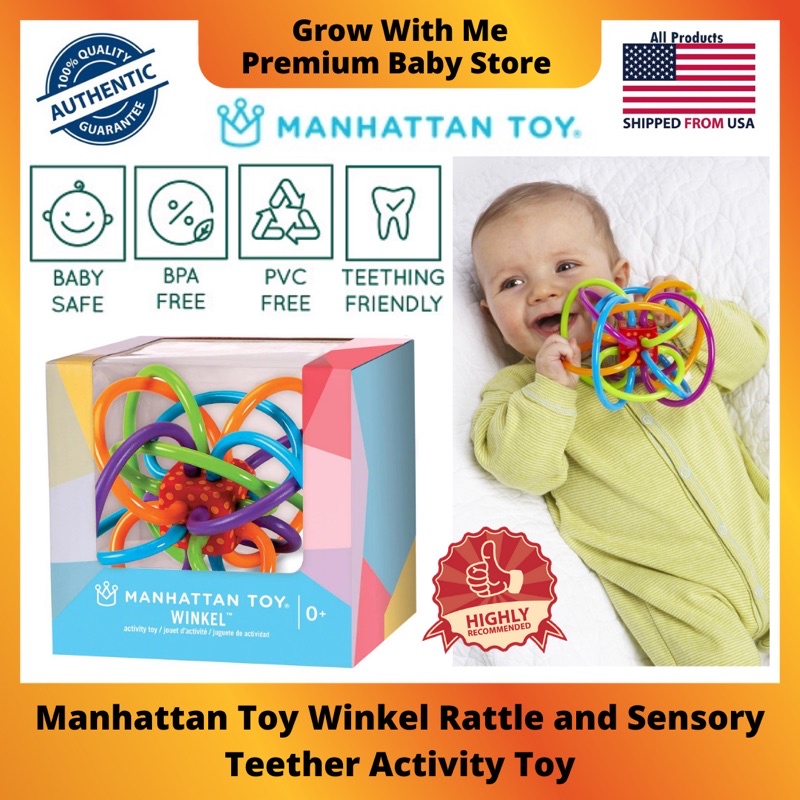
A rattle and teether may suit a child who still enjoys that kind of exploration. At a first birthday, confirm it fills a current need.
View at amazon.com →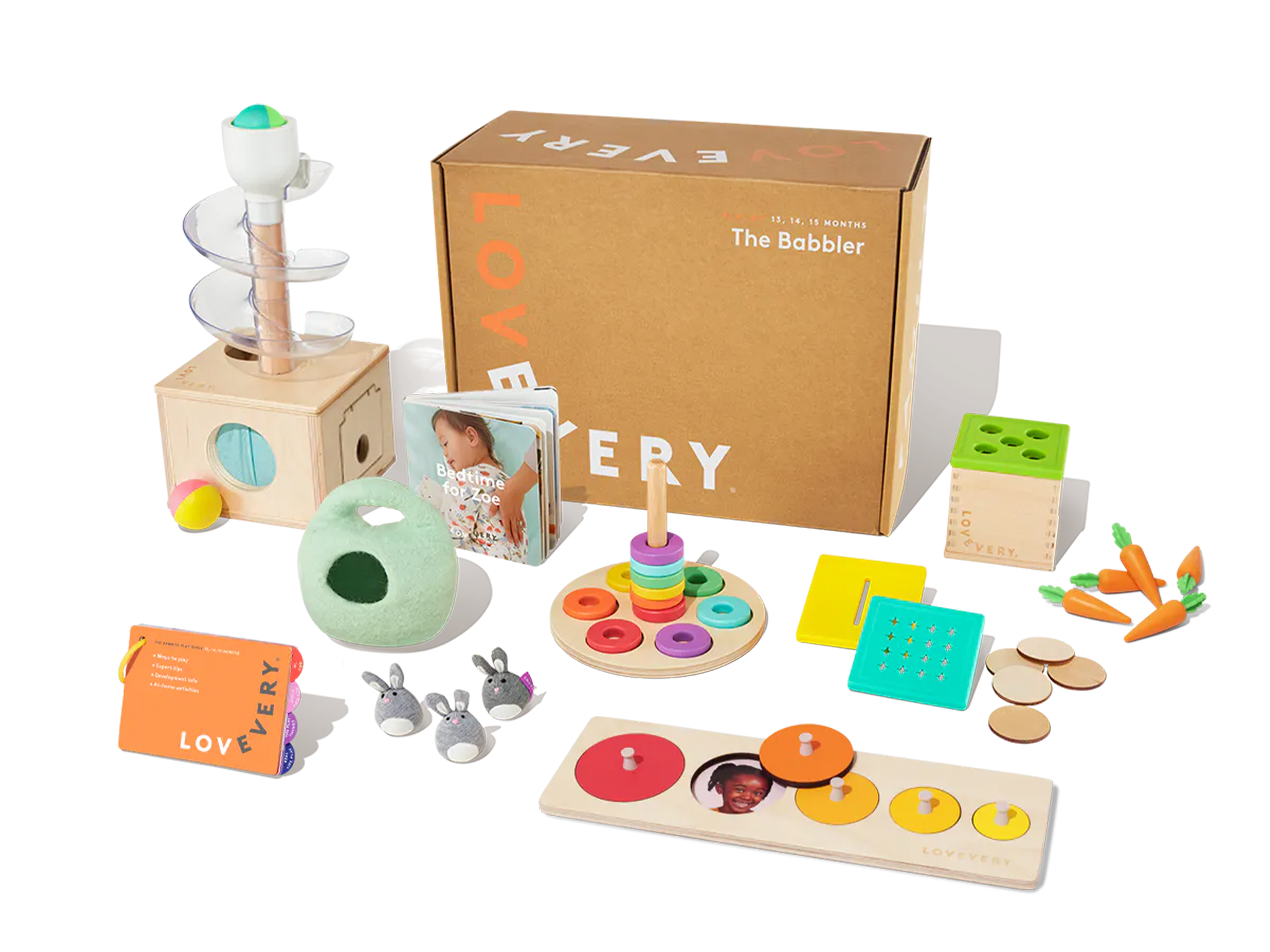
A play kit can offer a selection chosen around a stage of development. Let the parents confirm that the kit matches their child’s present interests.
View at Lovevery →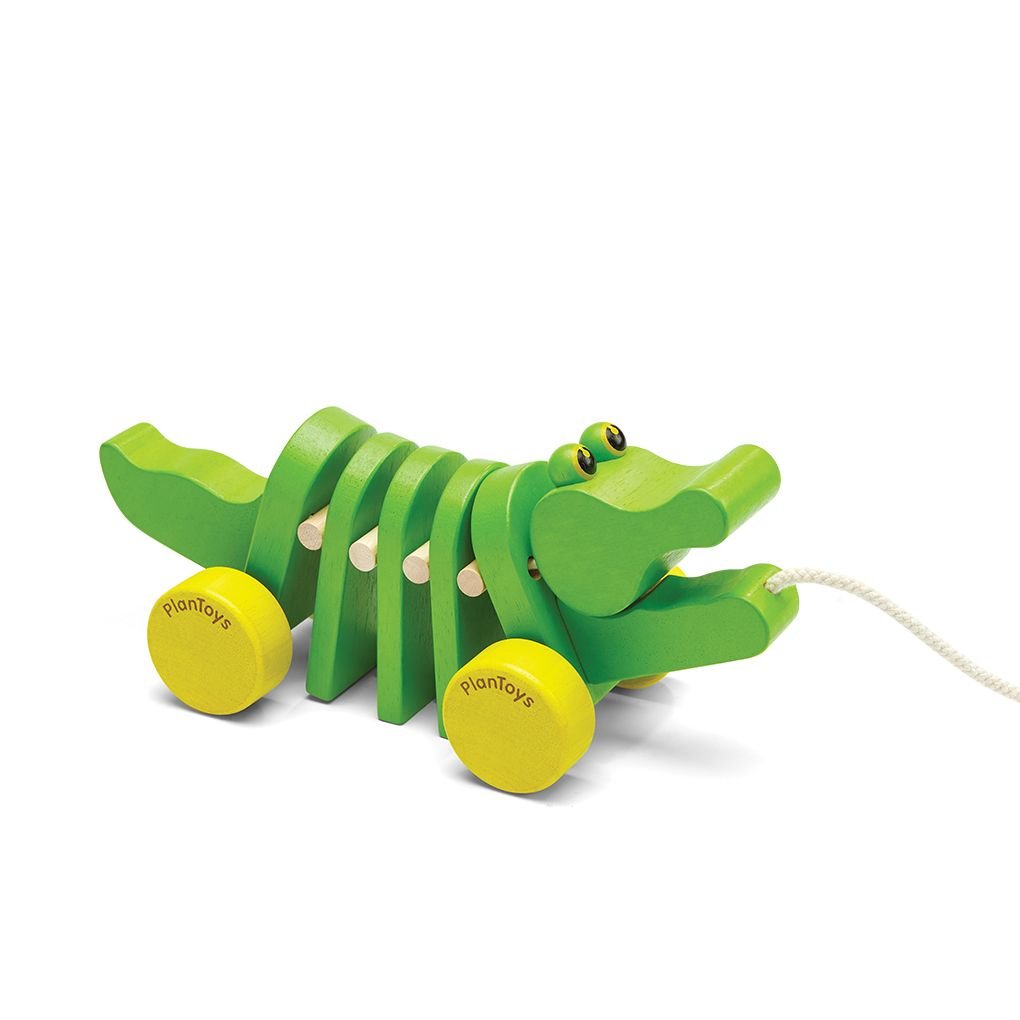
A pull toy may interest a child beginning to explore movement. The parents should judge readiness and check the product’s instructions.
View at amazon.com →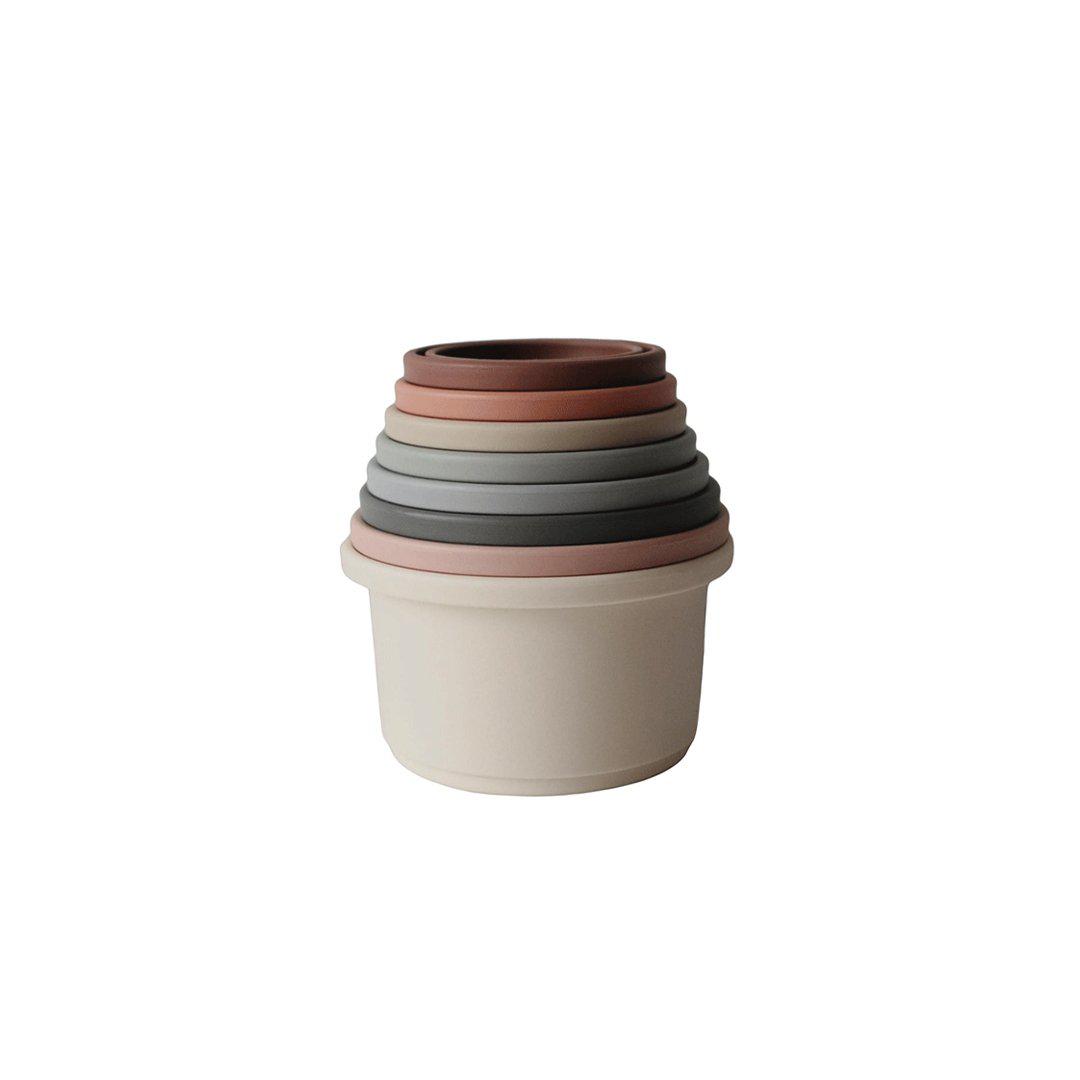
Stacking cups offer a compact play option when the family does not want another large toy. Check the exact product’s age and use guidance.
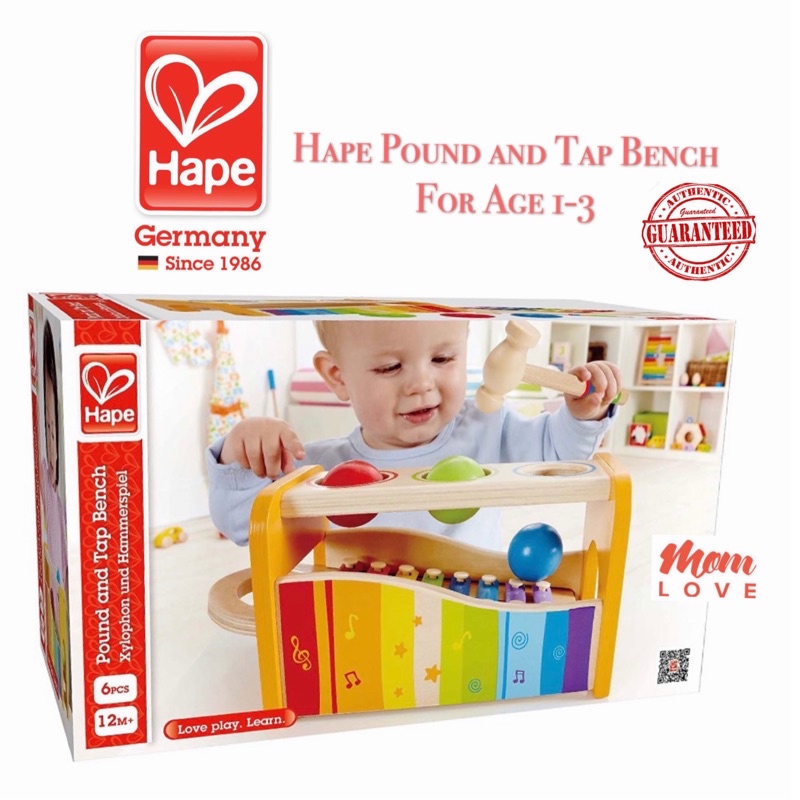
View at amazon.com →A pound-and-tap bench is a sound-and-action idea for a child who enjoys cause-and-effect play. Confirm suitability and space with the parents.
View at amazon.com →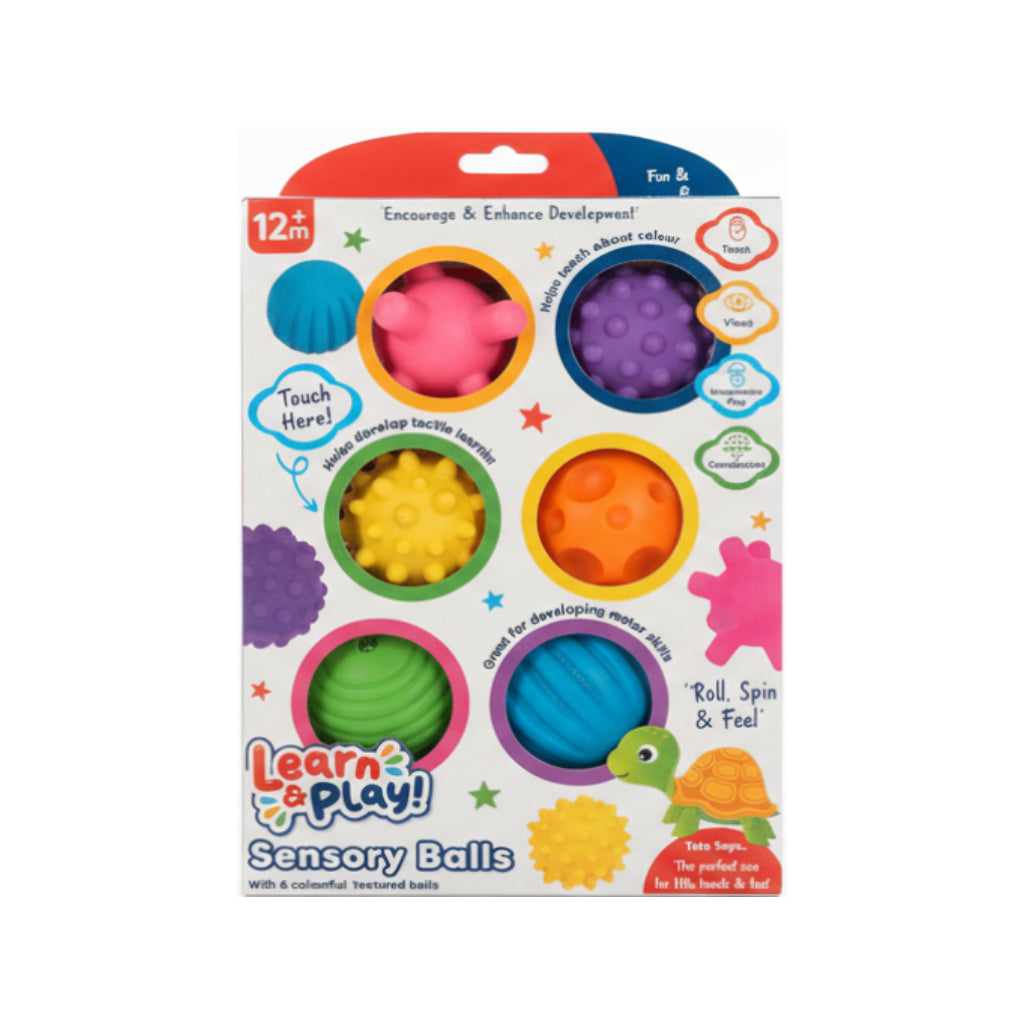
Sensory balls give parents another texture-focused play option. Ask whether they want this type of toy and check sizing and age guidance.
View at amazon.com →The manufacturer’s guidance for the exact item is essential, including small parts and supervision. Parents can tell you whether stacking, sound or movement currently holds the child’s attention.